1st February to 27th April 2025
Curated by Priya Namana.
Text by Dr. Monika Winarnita.
Supported by Merri-Bek City Council.
Photographs by Simon Fazio, Stephanie Sui, Jayanto Tan, Ethan Rassias.
Public Programs: Live performance with Orkes Jawi Waton Muni, and paper cutting workshop, 8th March 2025 a part of Brunswick Music Festival.
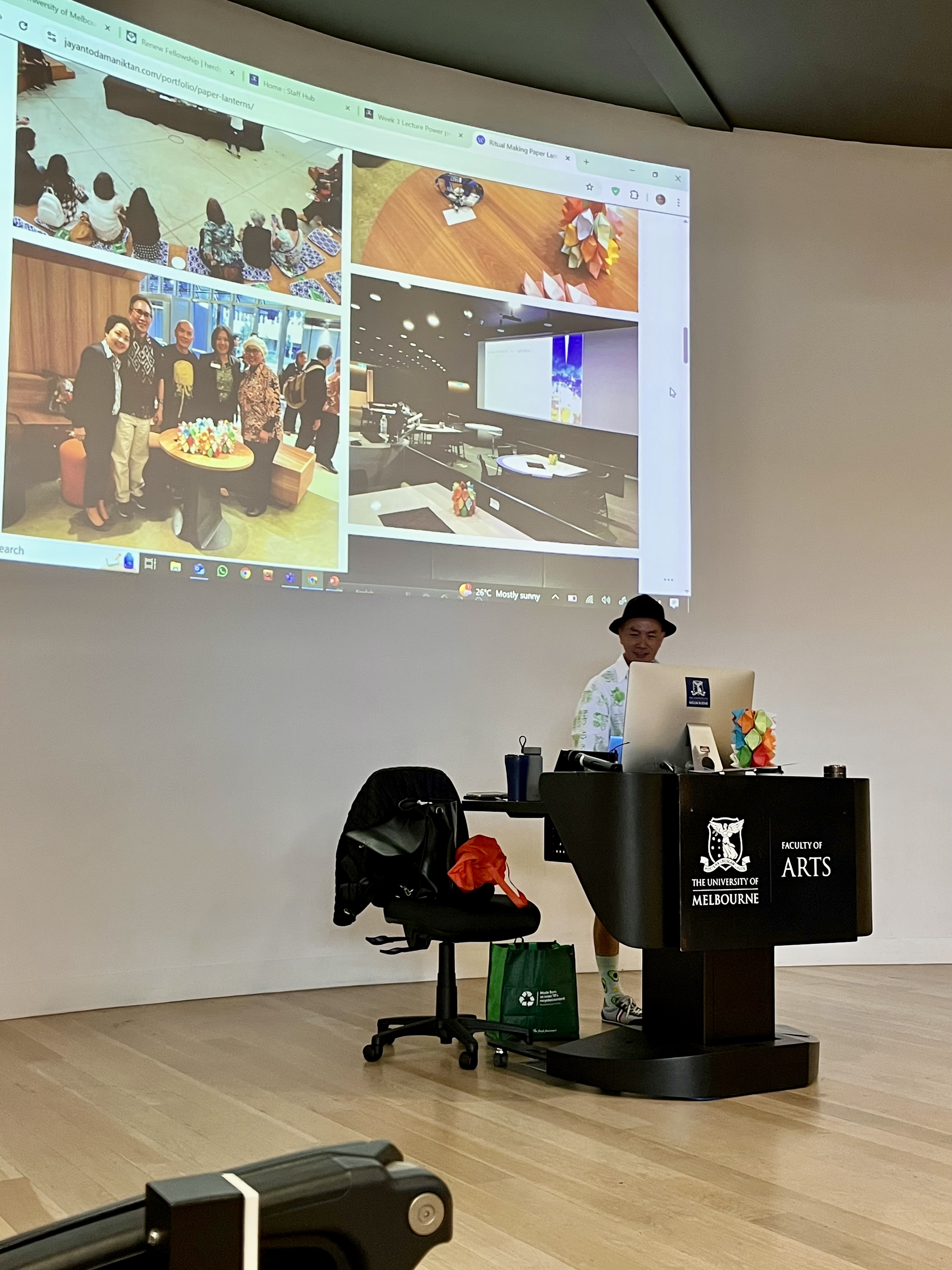
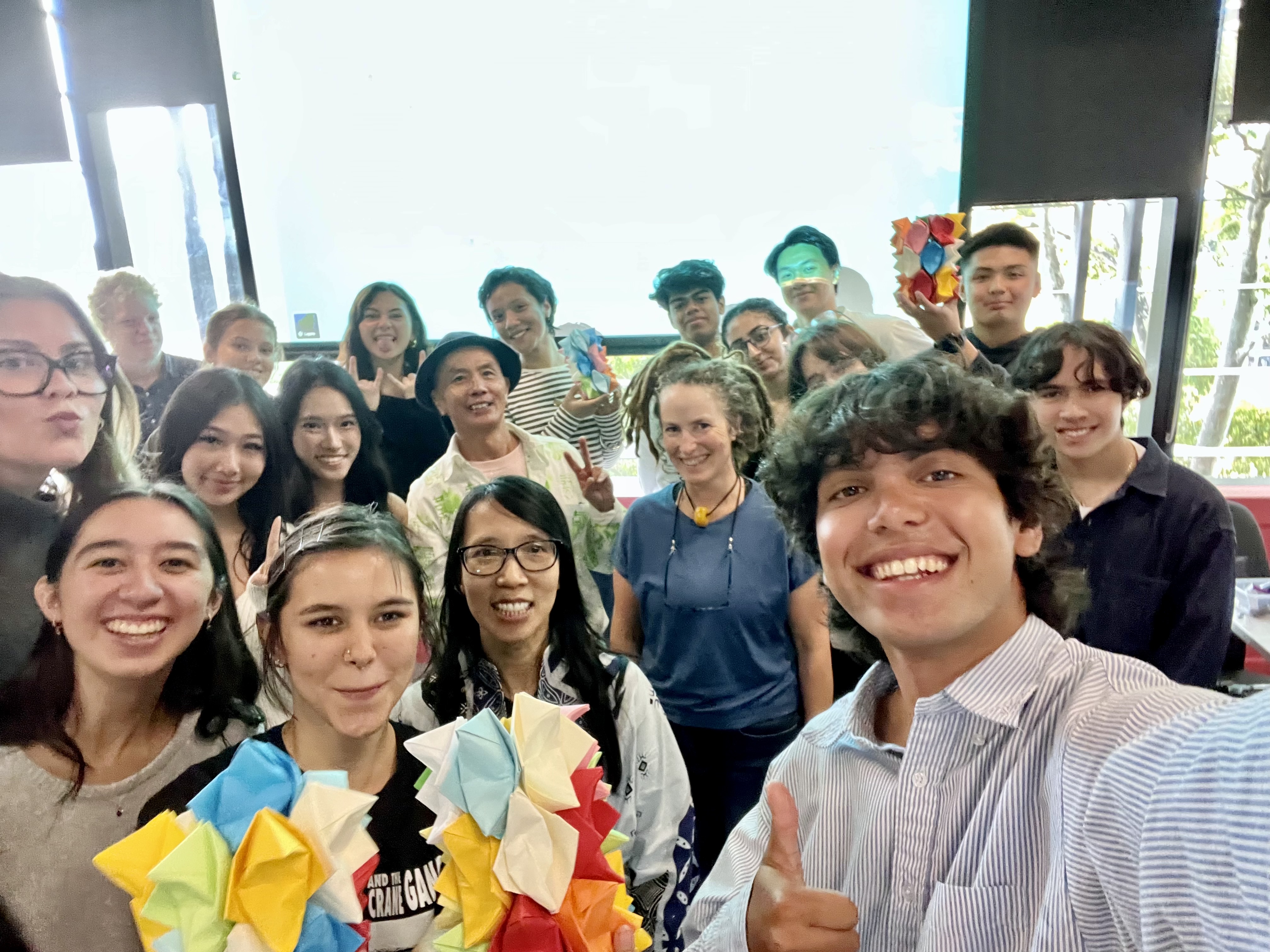
Guest Lecture on Identity, Diaspora and Belonging: Dr Monika Winarnita and the Students, Yuan Bao Paper Lantern Workshop, 17th March 2025, Asia Institute, Faculty of Arts, University of Melbourne, VIC.
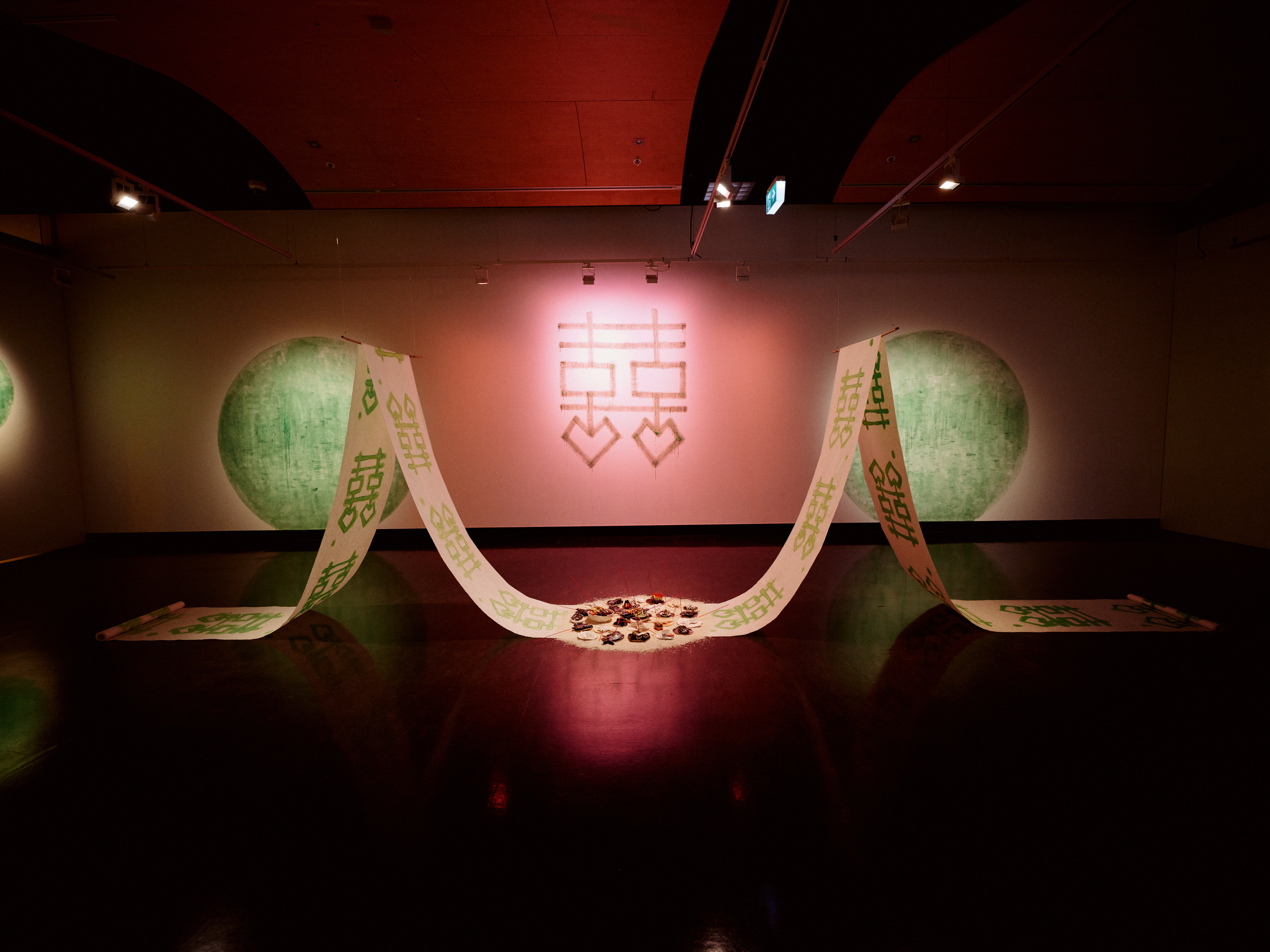
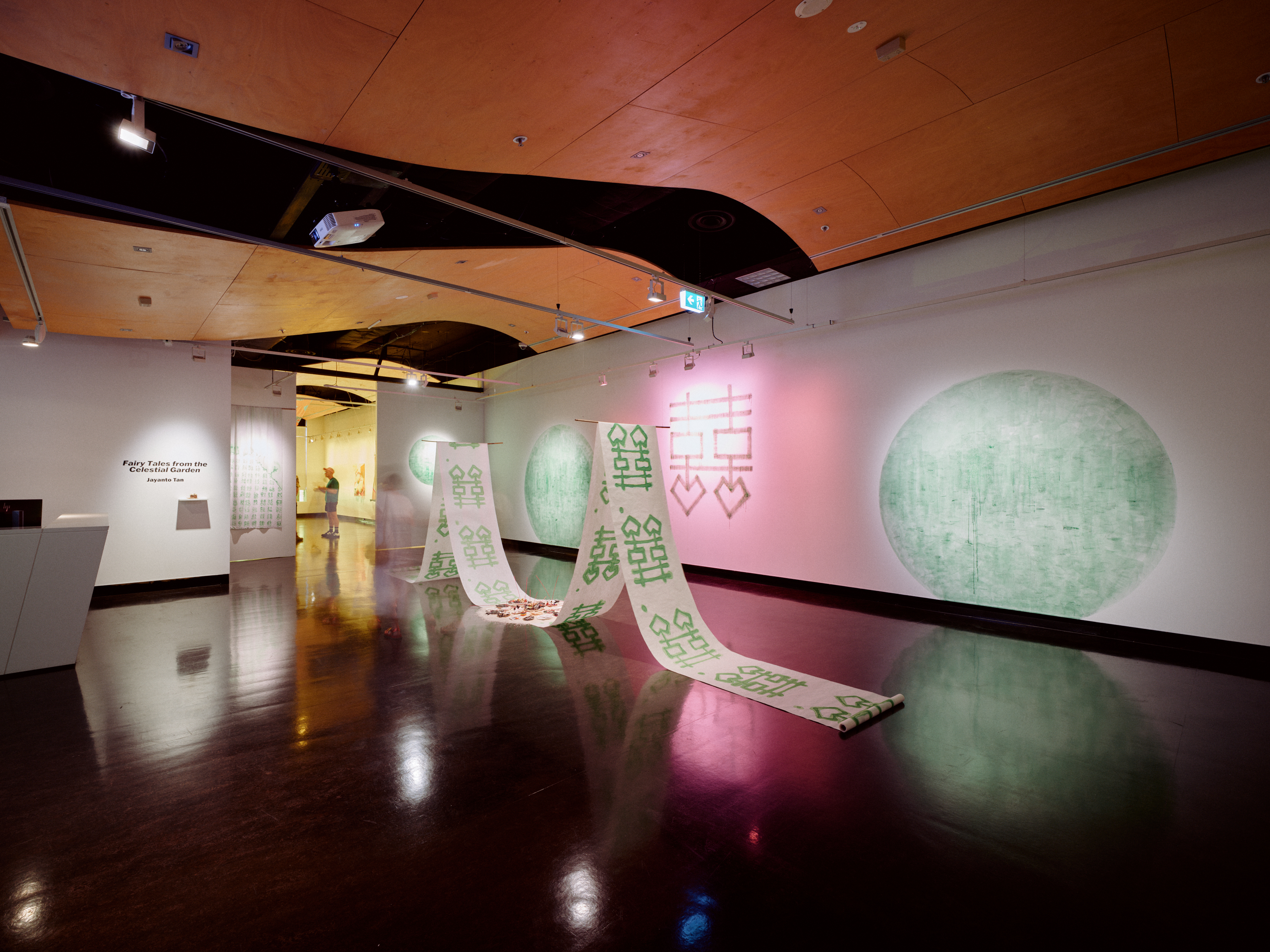
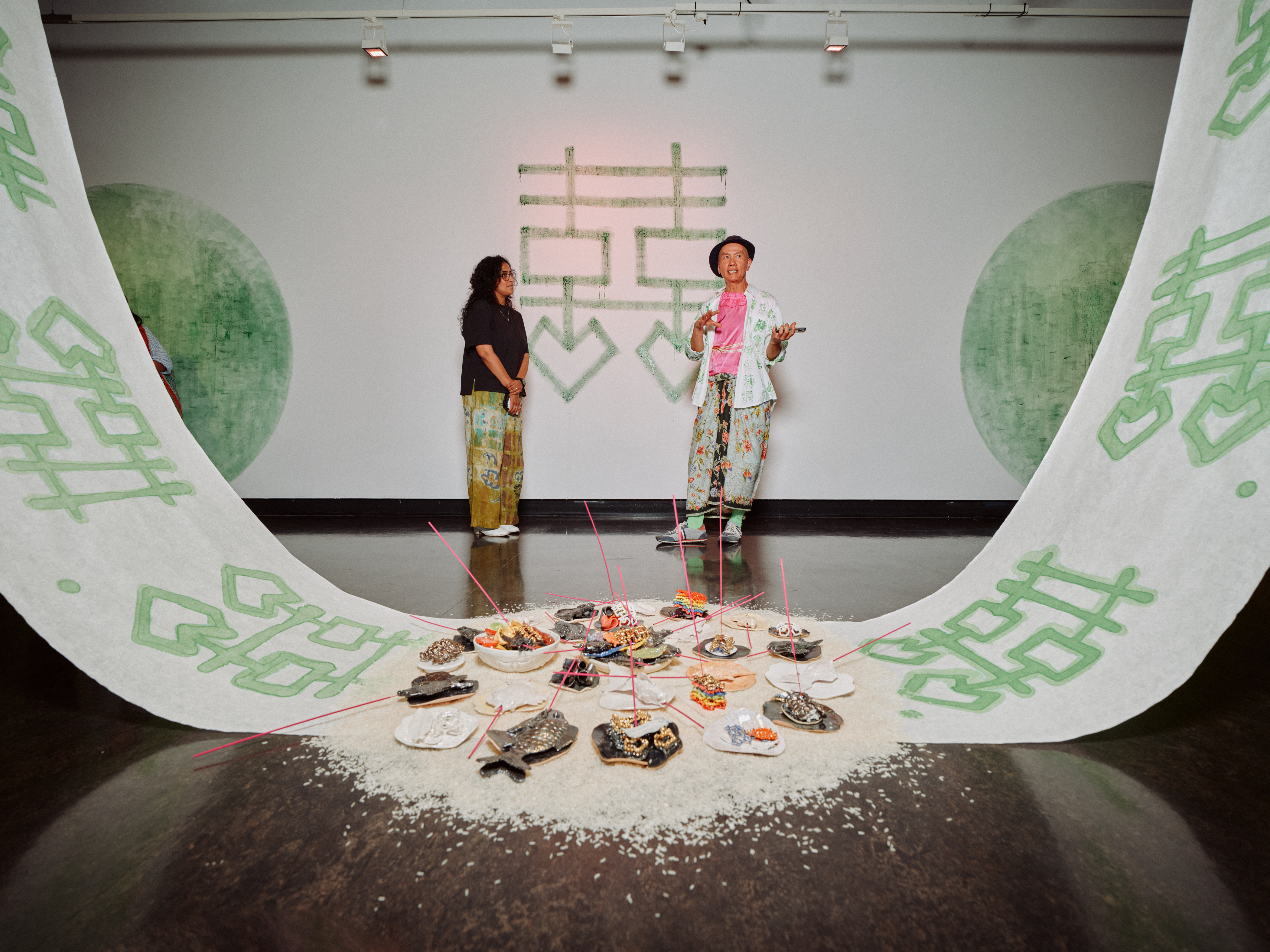
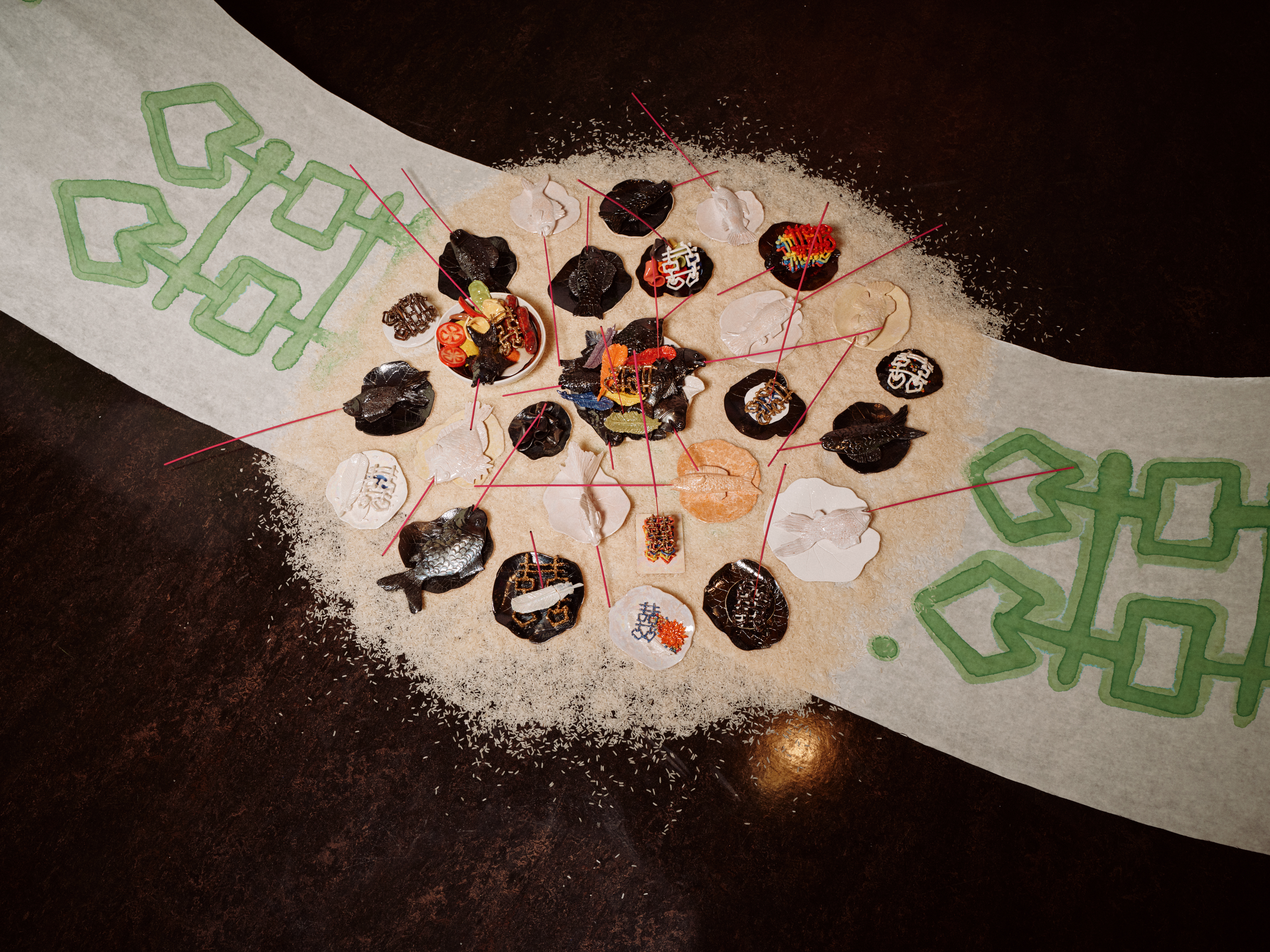
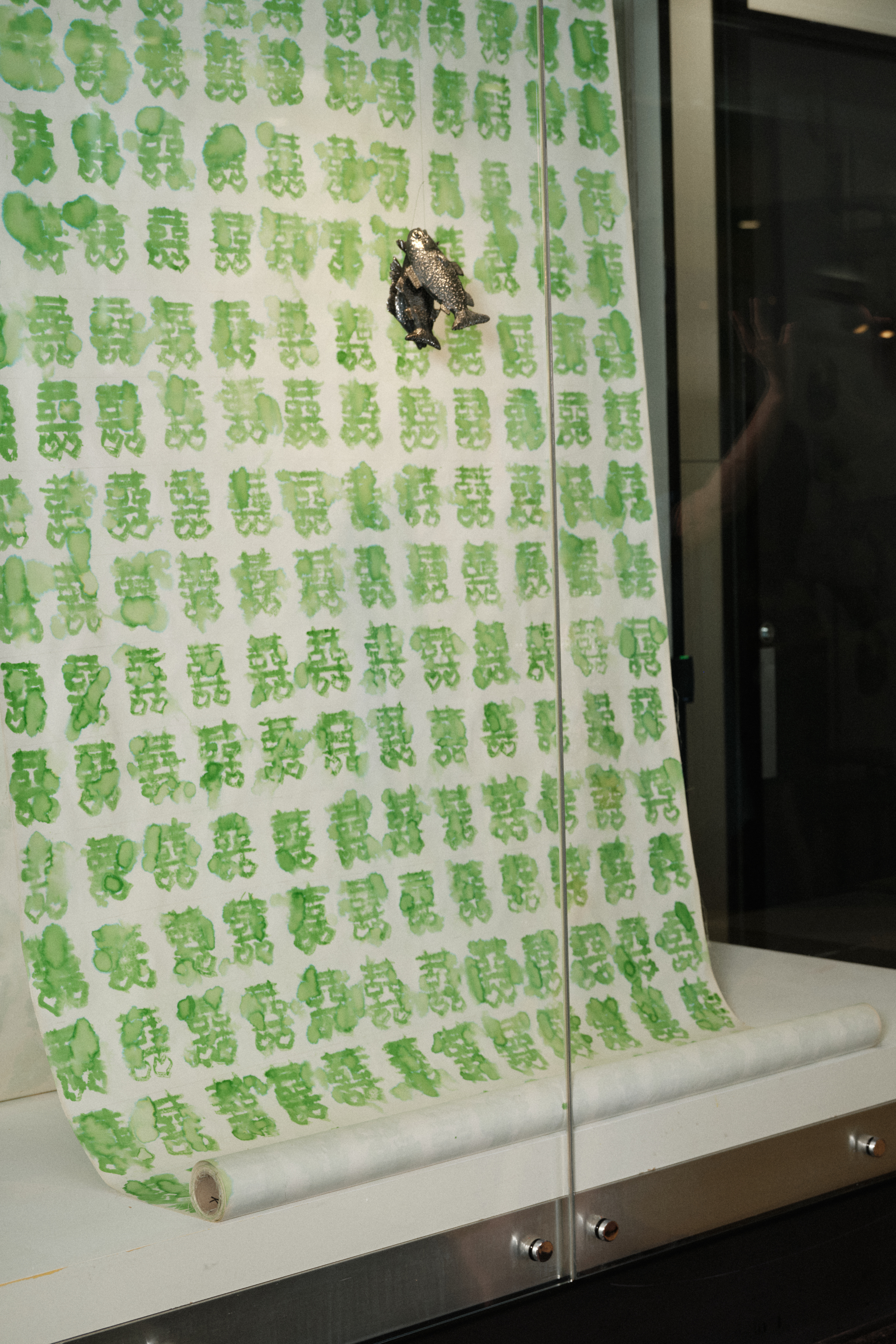
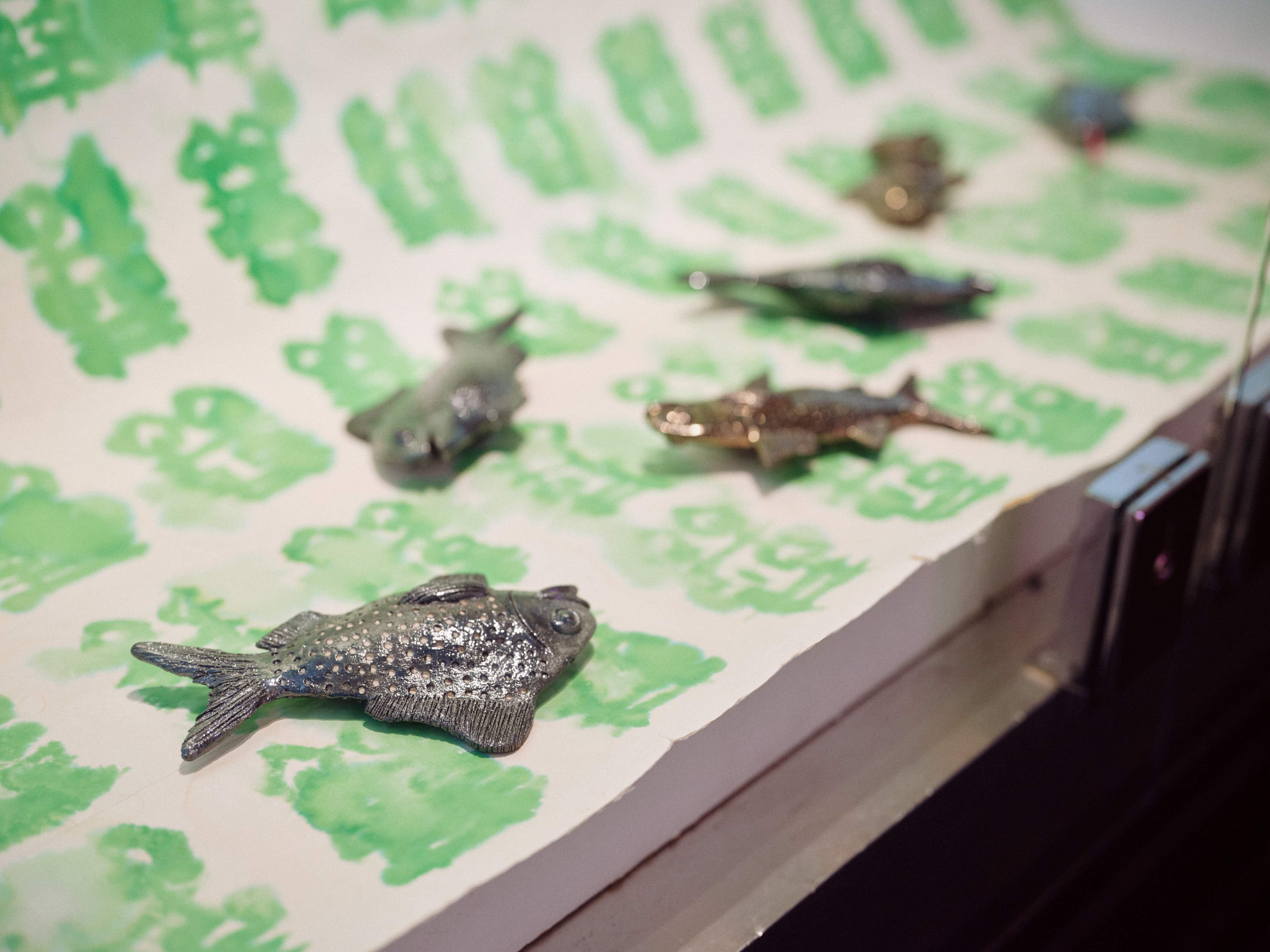
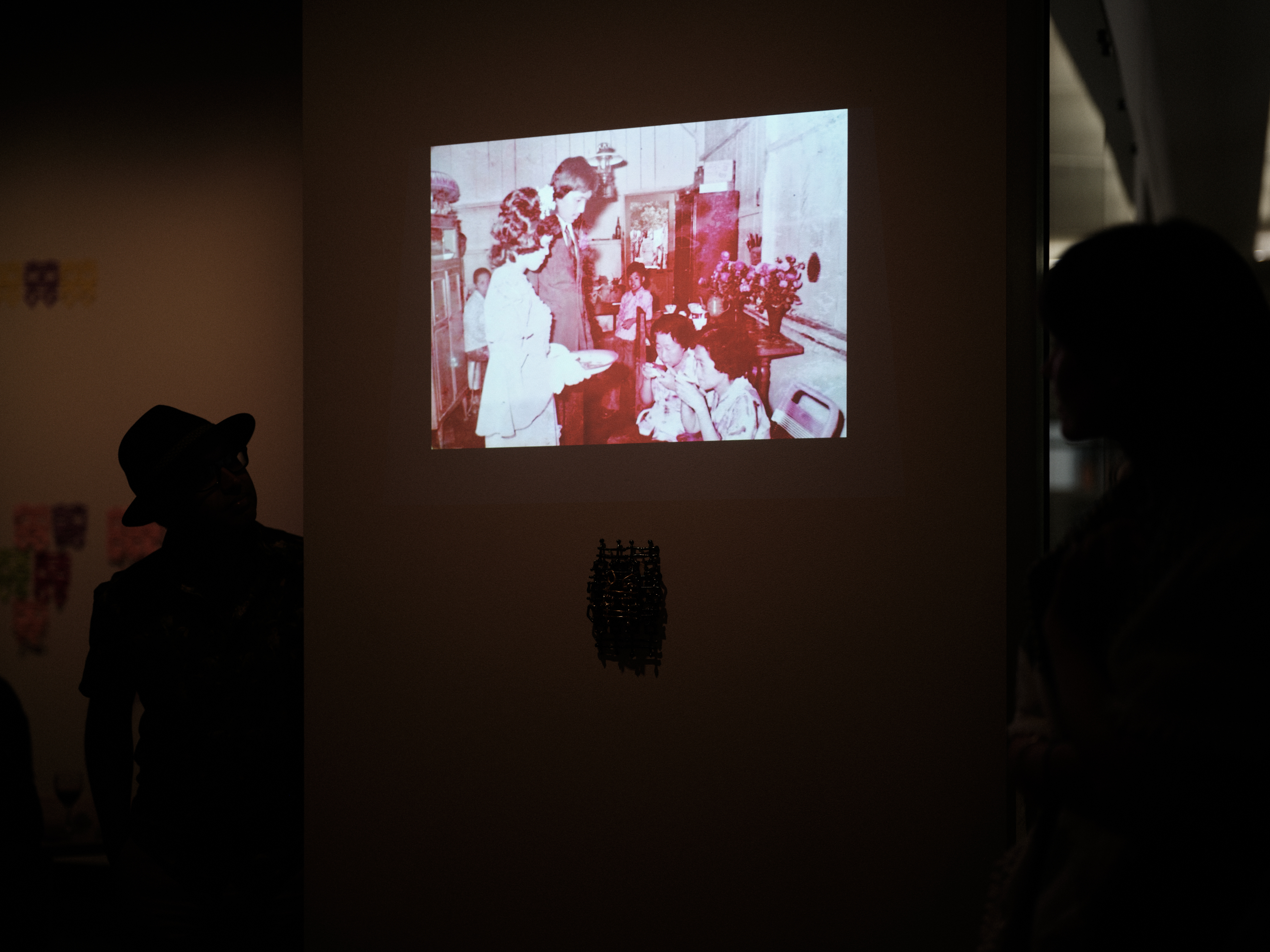
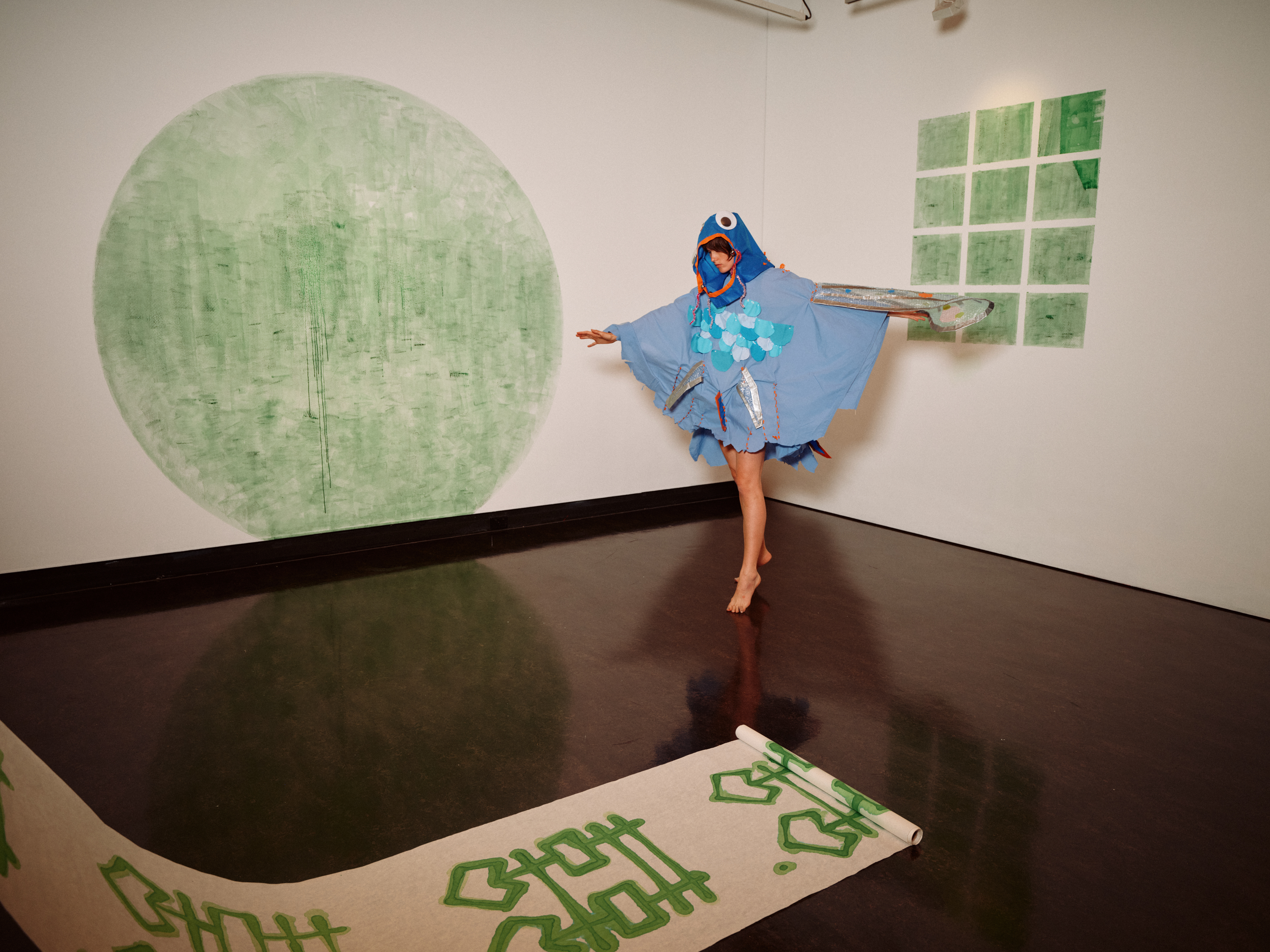
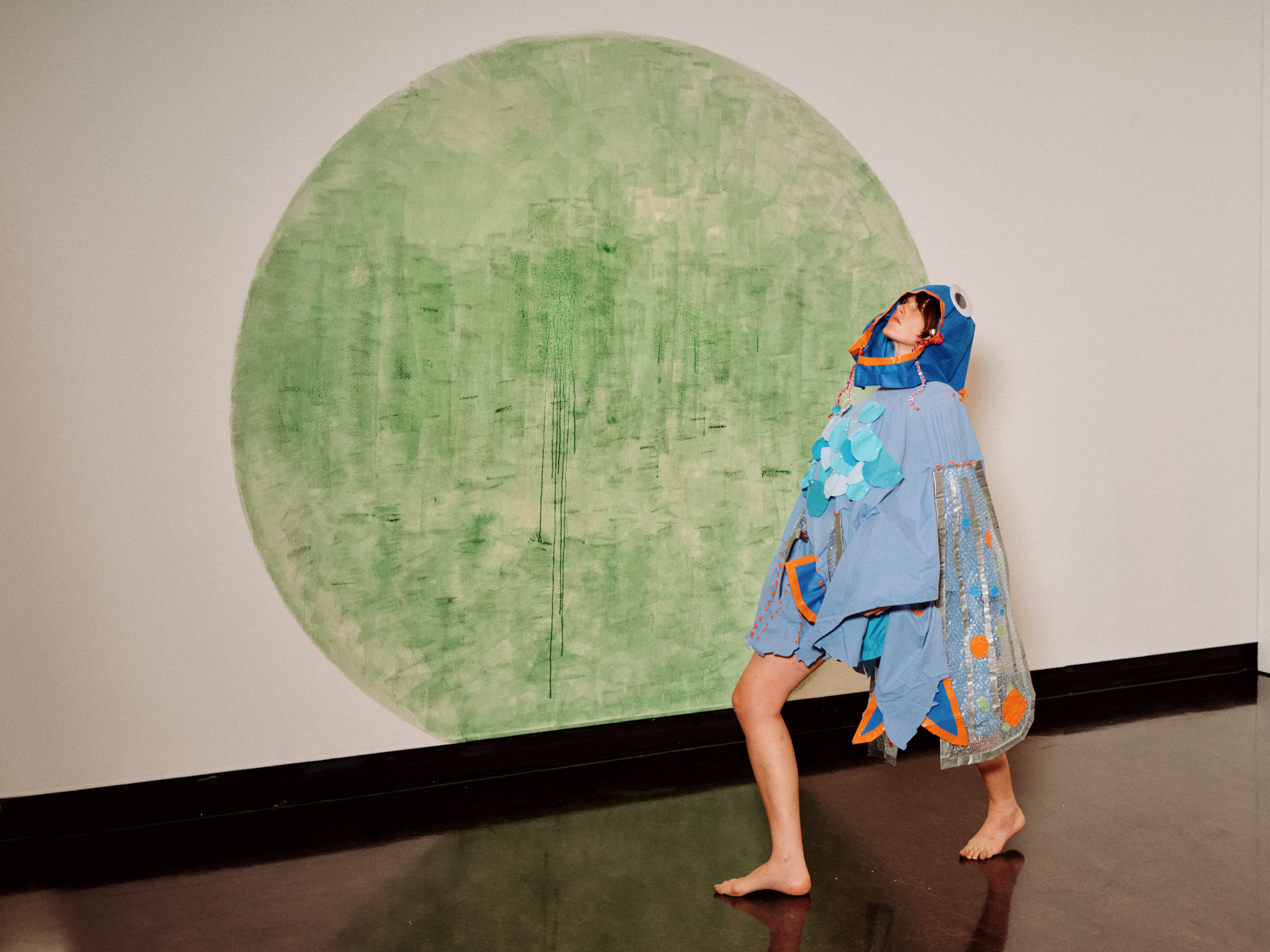
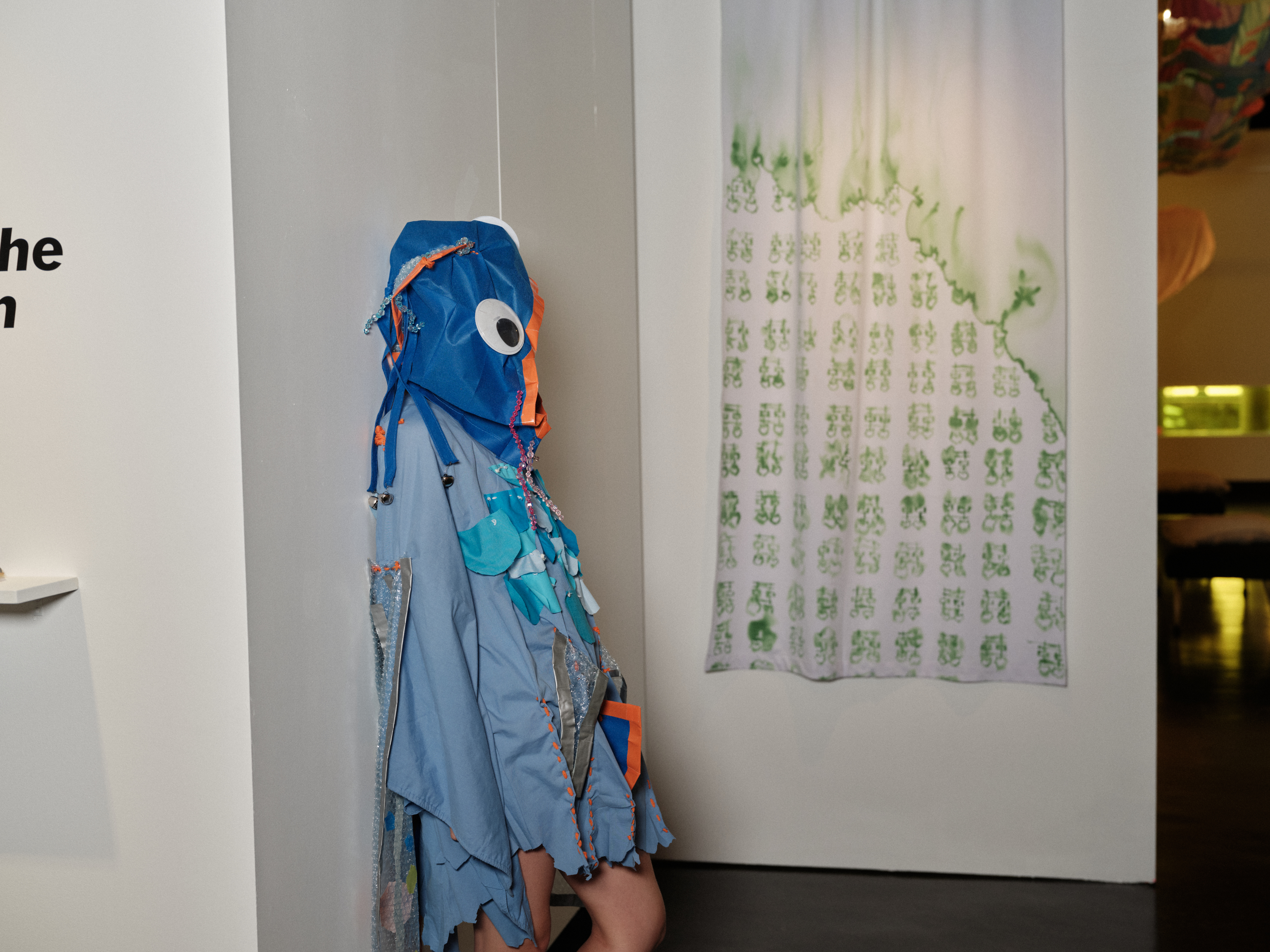
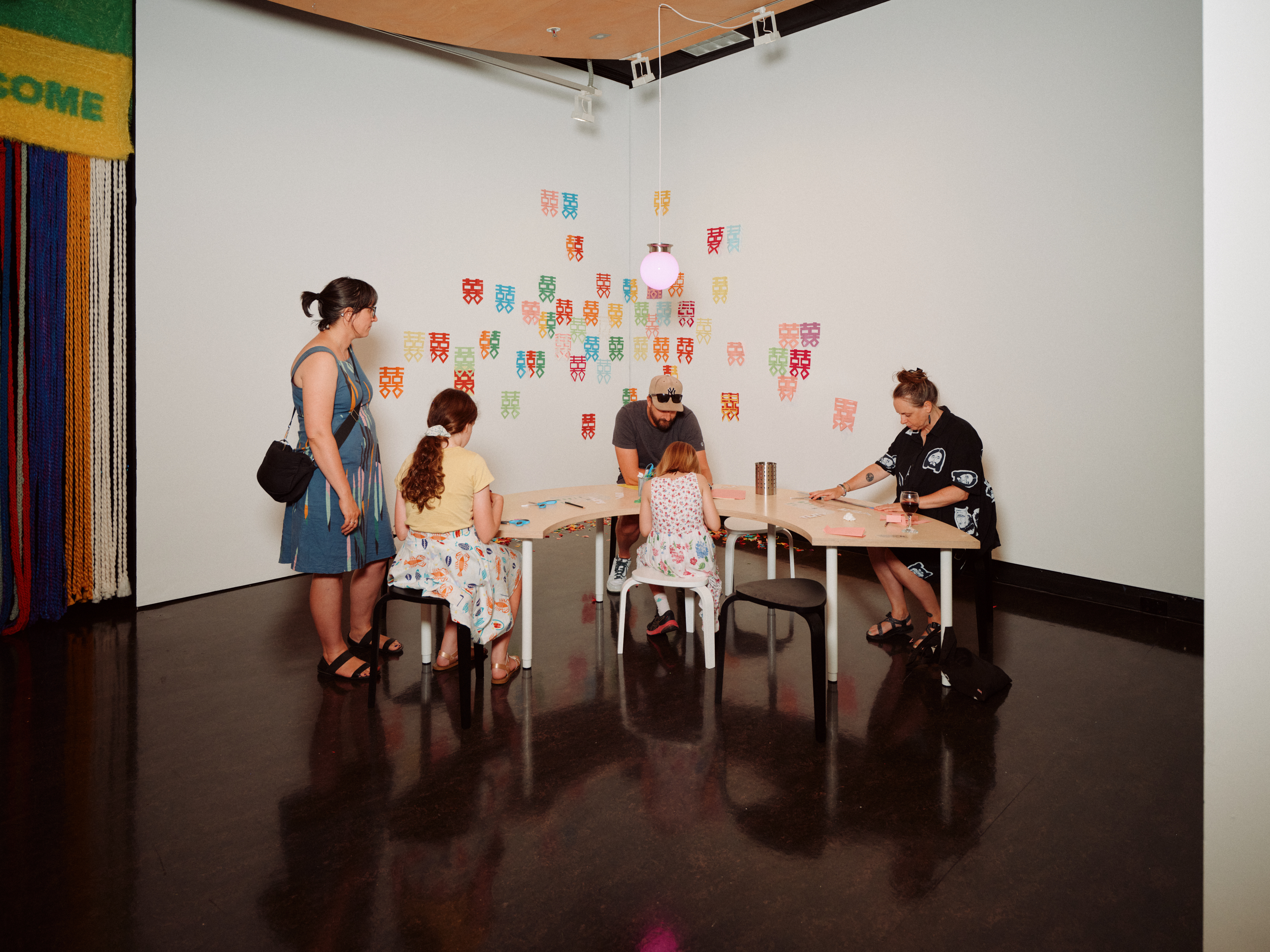


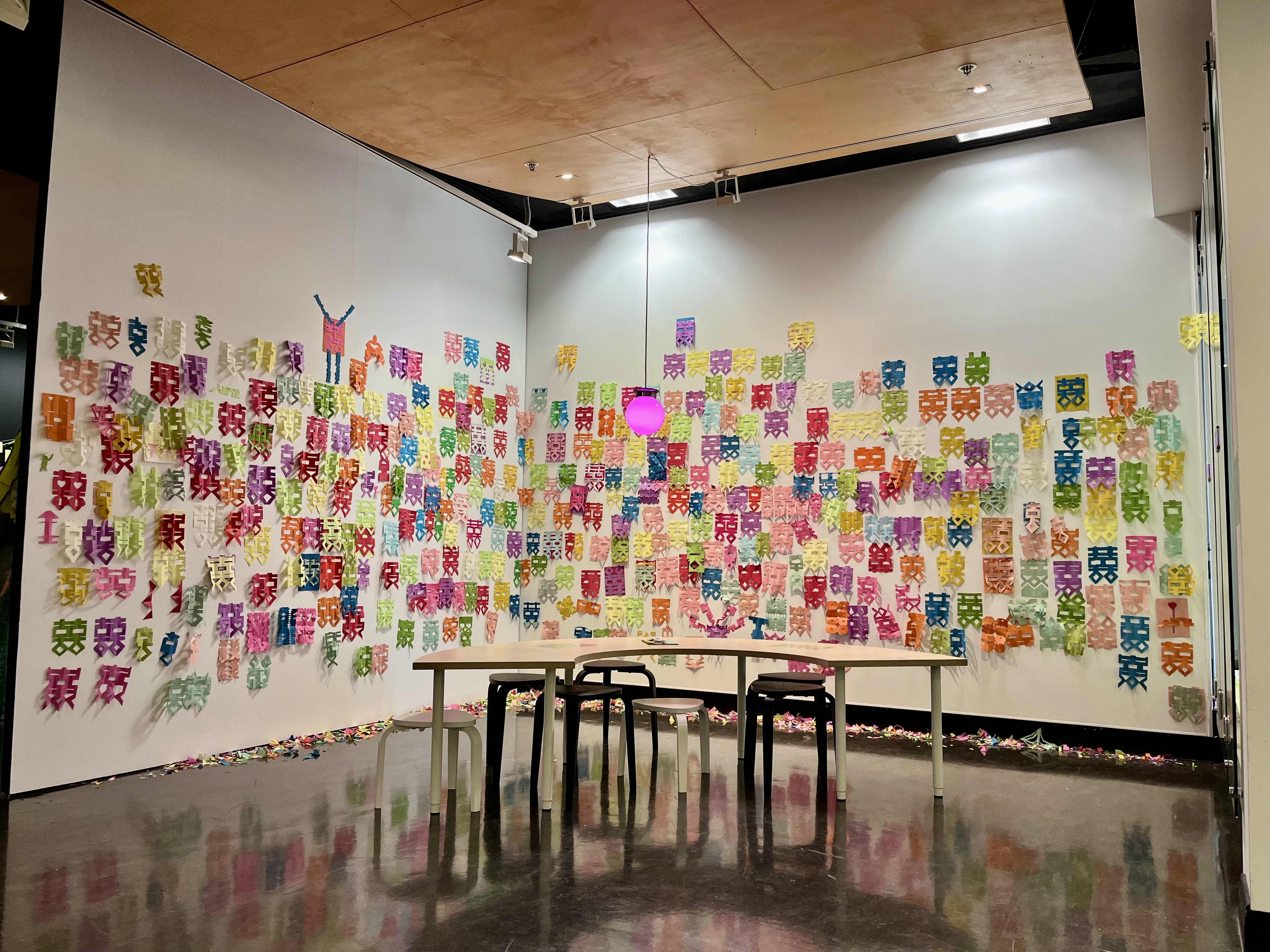
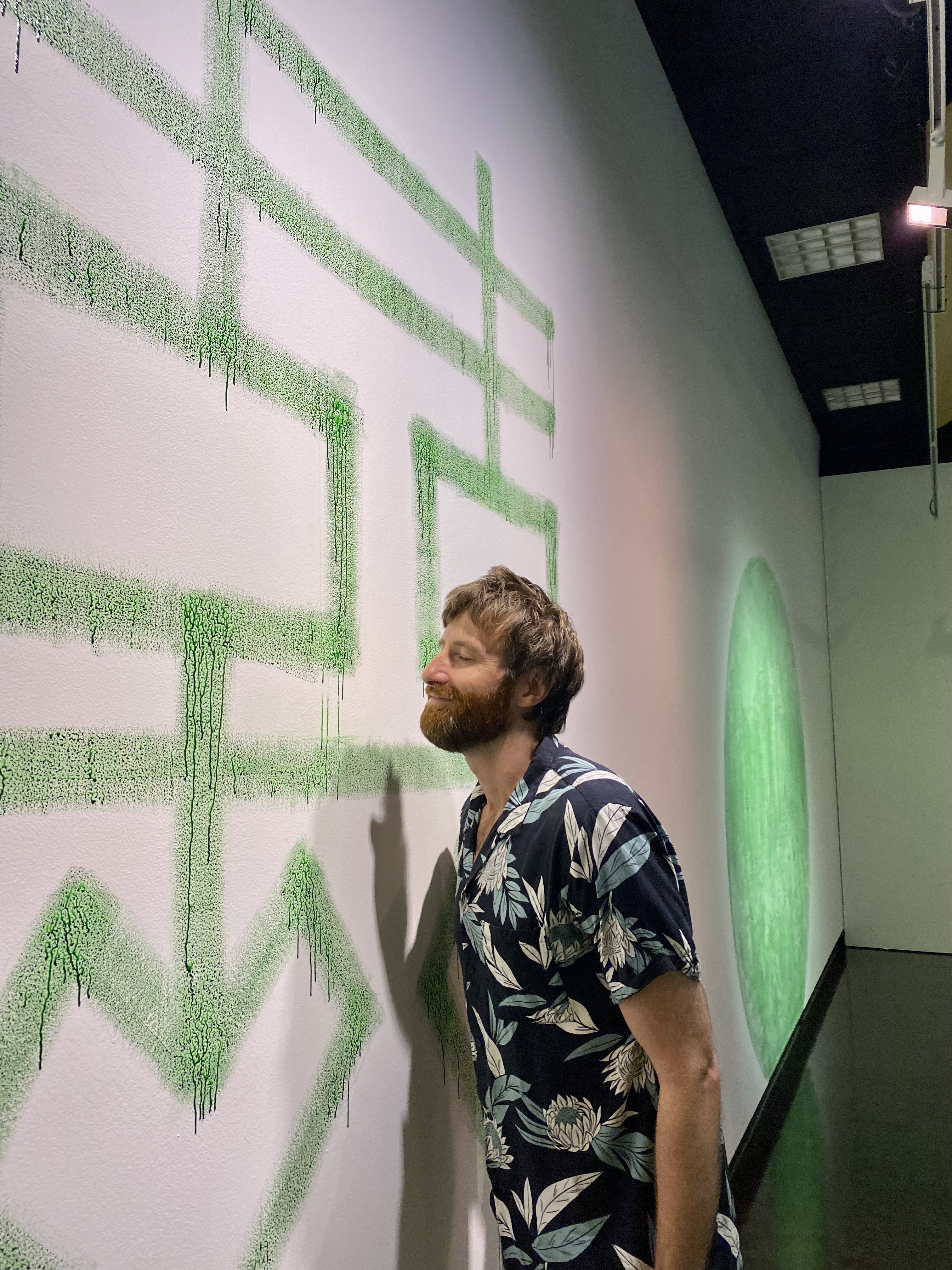
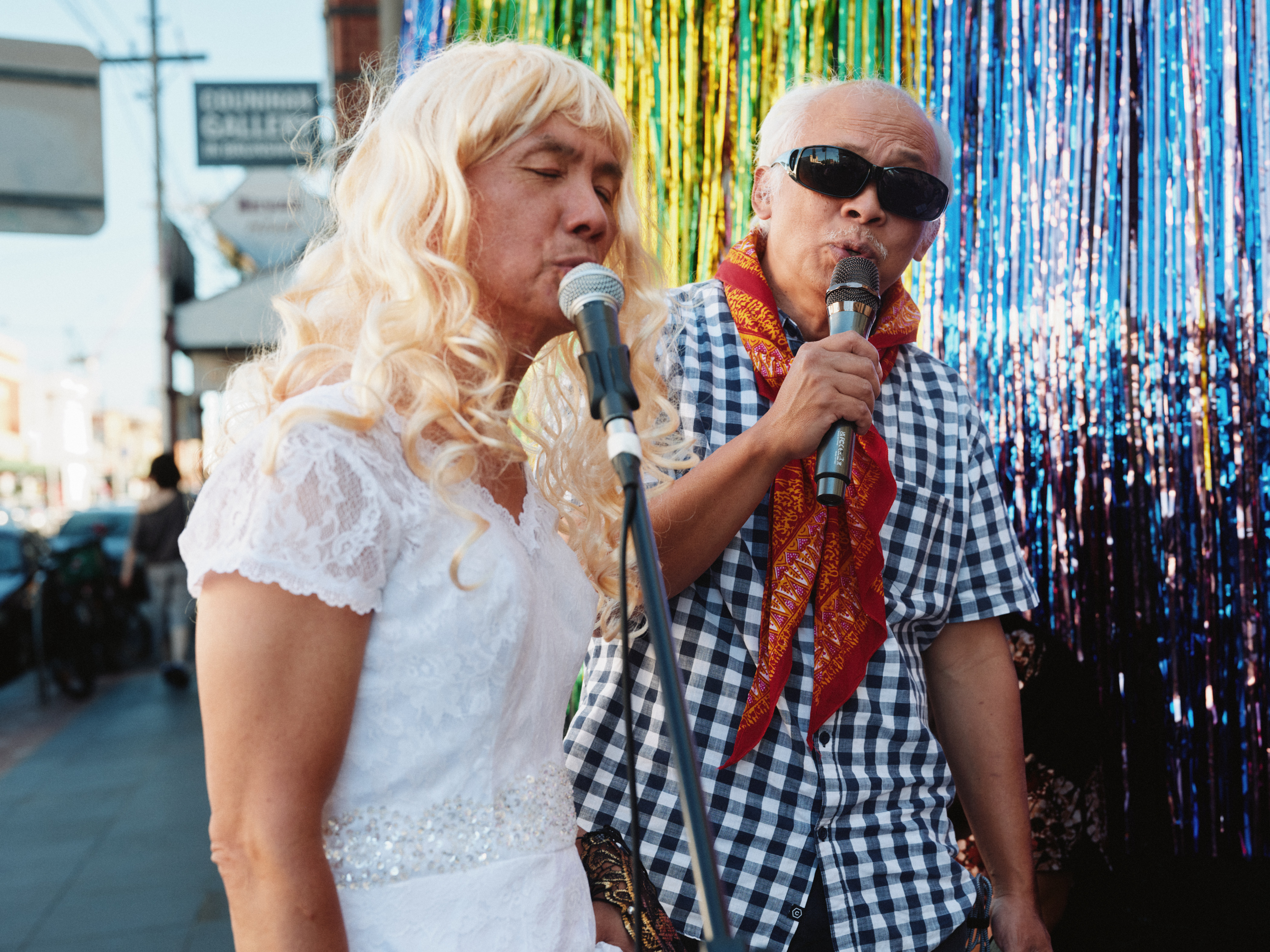
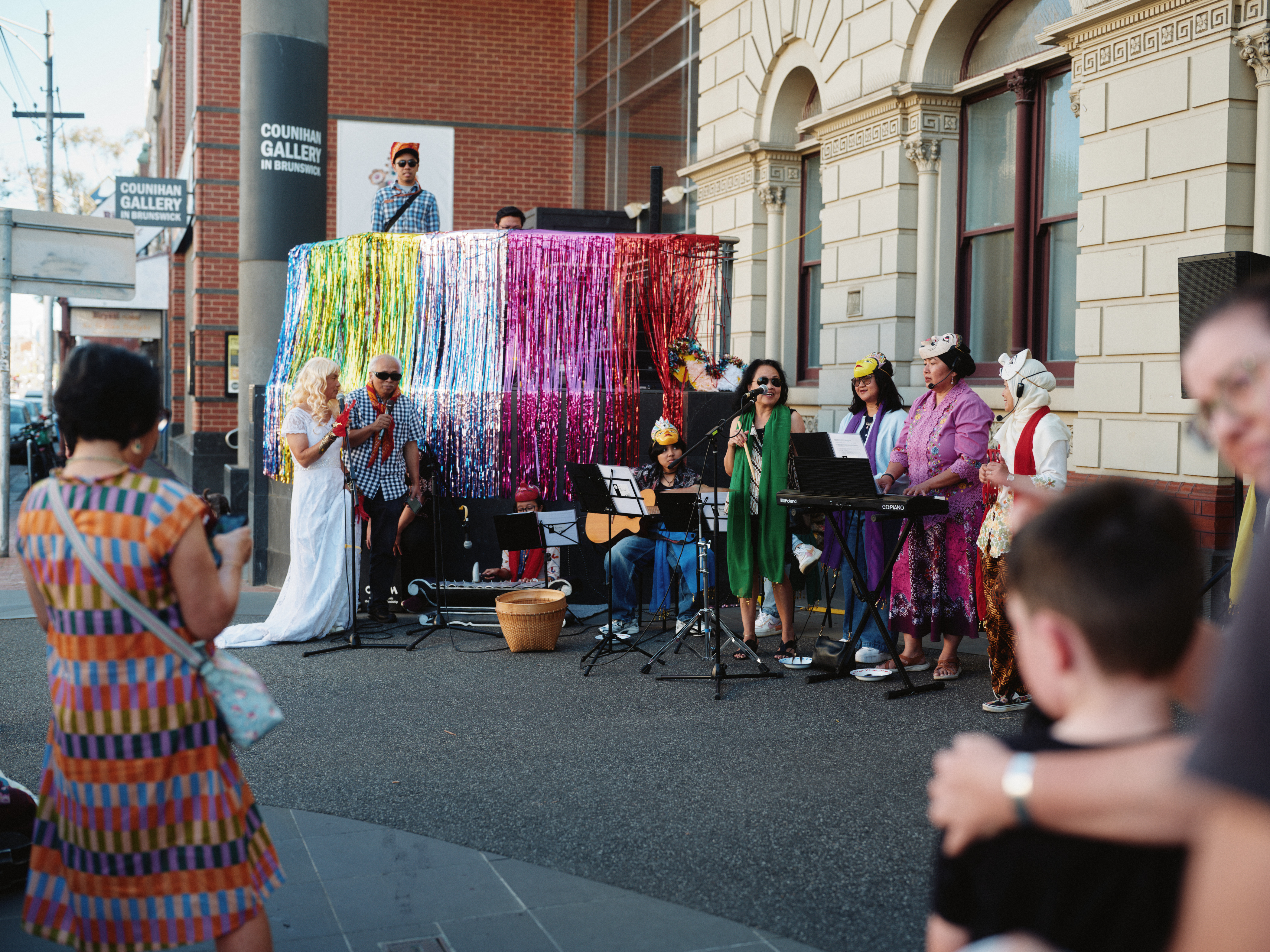
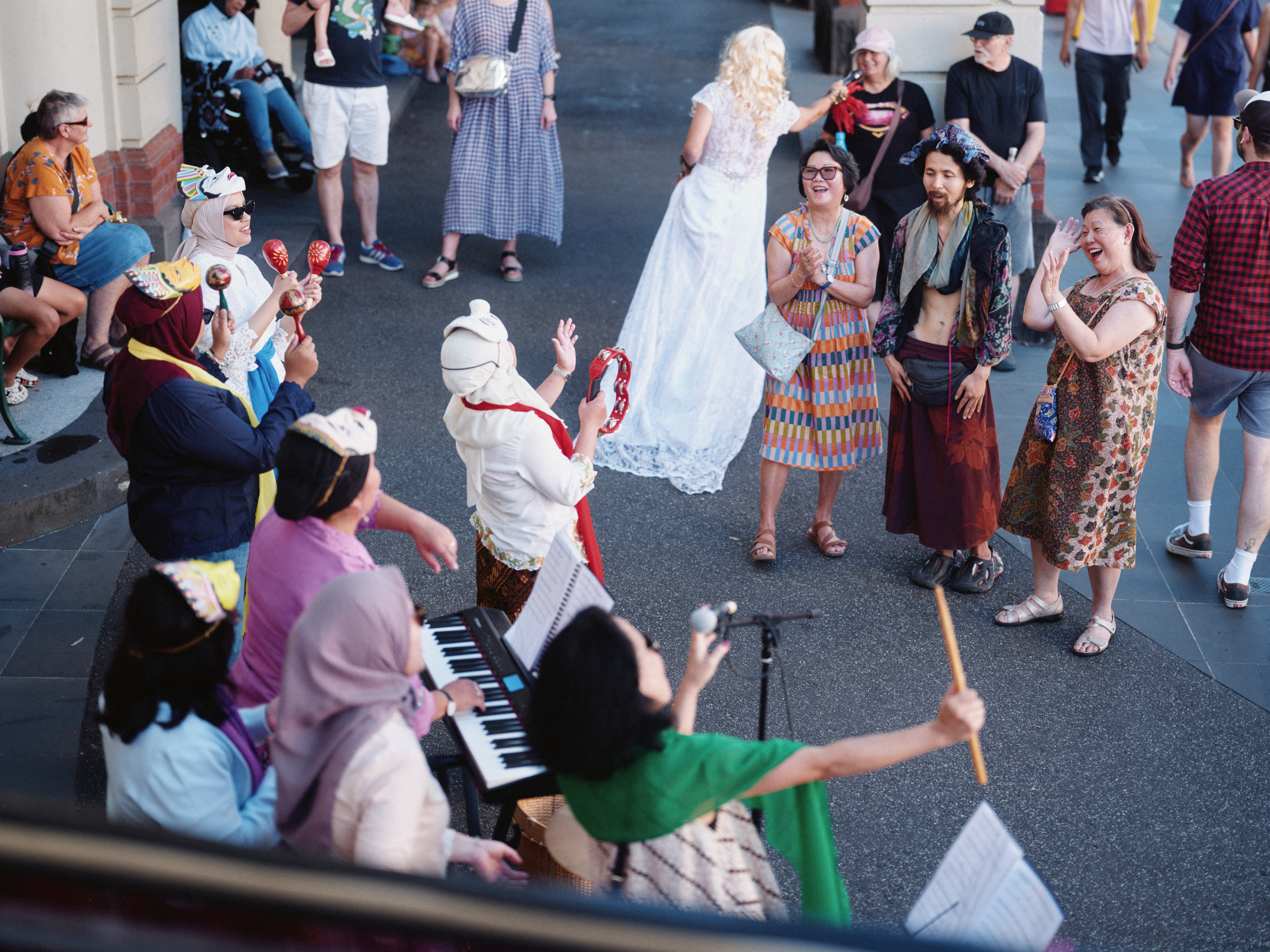
Fairy Tales from the Celestial Garden, Jayanto Tan’s ceramic installation displayed at Counihan Gallery, Victoria and a live performance of a tea ceremony at the Kaliwungu Performance Arts Festival, Central Java, Indonesia, are deeply engrained in the exploration of personal and cultural identity. Through a blend of visual art and live performance, Jayanto navigates the inter/intra-related relationship between the past, present and future, inviting viewers to reflect and envision their own connections to ancestry, heritage, rituals and community. The themes of identity and belonging— particularly the artist’s experience as an inter- faith, queer migrant in the Chinese-Indonesian diasporas—plays a pivotal role in their work, offering profound insights on inter- faith beliefs, ancestry, heritage, familial unity, decolonisation, rituals, (queer) love, memory, and the dynamics of cultural diversity in Australia.
A Bridge Between Cultures
At the heart of Jayanto’s artistic work is a desire to build a bridge from their Peranakan- Chinese ancestry from Indonesia to the present day culturally and linguistically diverse Australia, and beyond to a pluralist-cum- universal shared sense of understanding and belonging. Through the composite of ceramic installation, live performance and paper cutting workshop, Jayanto draws on their personal history and heritage, specifically memories from their childhood and adolescence within Suharto’s reign, post- Dutch colonisation in Indonesia, belonging and not-belonging to a minority of Peranakan- Chinese ancestry from the island of Sumatra, to offer a place for self-reflection and enlightenment, mindful of the flowing nature of identity and transcendent forms of belonging. Fairy Tales from the Celestial Garden is aimed at the Merri-bek community, which seeks to introduce and display the artist’s migrant family heritage while engaging with the broader questions of how we can express and interpret a shared sense of belonging through acts of resistance, empowerment and cultural preservation.
The ceramic installation and live performance are not merely artistic expressions but are also acts of cultural knowledge transmission. The artist employs these mediums to offer glimpses into the rituals of their family from a hyphenated minority, with Jayanto as an inter- faith, queer person and Peranakan-Chinese born in Indonesia. The integration of Chinese and Indonesian rituals holds deep meaning and connection for Jayanto’s family. The focus on the act of offering food, particularly in the context of the ‘Imlek’ (Chinese New Year) celebrations in Indonesia, encapsulates an essential part of the artist’s heritage: the familial bonds and kindness demonstrated through acts of sharing. In this context, the artwork does not just tell a story of personal history; it also speaks to the universal practice of migrants in sustaining relationships through food, ritual, and memory.
Rituals, Memory and Reconnection
Jayanto’s practice is grounded in a deep engagement with ritual and memory. Drawing inspiration from family archives, the artist reconnects with fragments of the past, seeking to preserve and honour the traditions that have shaped their identity. The recurring motif of food—specifically the act of cooking fish and harvesting pandan leaves from the family ‘garden’—serves as a vessel for these memories. For the artist, these rituals are not just nostalgic recollections; they are acts of spiritual engagement with ancestors and loved ones whom have passed. The process of creating art is an homage, and thus becomes a conversation with these spirits, as the artist seeks truth to maintain a connection that transcends space and time.
The memories of Jayanto’s Christian mother, Naomi Waginem/Lim A. Poe (whose ‘husband’ was of Taoist faith), preparing meals for family gatherings plays a front- and- central role in their work. In the artist’s words, ’My mother had asked me to harvest the pandan leaves and fish from our little garden.’ These ordinary tasks are imbued with emotional weight and serve as a reminder of Jayanto’s mother and her generosity and care. In returning to these rituals, the artist preserves the essence of their family’s cultural practices while also offering ways of re- imagining, interpreting and understanding its meaning. The ceramic work and drawings are thus not just representations of the past but are living and evolving symbols that continue to shape the artist’s present and future as an inter-faith, queer Australian migrant with a Peranakan- Chinese ancestry from Indonesia.
The Double Happiness Symbol and Queer Kinship
In the context of this project, Jayanto also reinterprets the traditional Chinese symbol of Double Happiness, a ligature and commonly associated with marriage and familial unity. The symbol, which features two intertwined Chinese characters for joy, is often prominent in wedding decorations and other celebratory contexts. The artist deviates from its conventional use, drawing the symbol in ways that emphasises harmony and balance in various forms of kinship, a personal homage to the artist’s queer identity and a powerful statement emphasising love and kinship beyond heteronormative boundaries.
The artist’s version of the Double Happiness symbol embodies a vision of inclusivity and acceptance, offering a space for marginalised voices, particularly within and ‘out-of’ the queer community. By entwining the lines of the symbol in a new way, Jayanto creates a visual language that emphasises the bittersweetness of love and commitment, harnessing and preserving the energy of love, personal relationships and community. The symbol becomes not a mere celebration of heteronormative love, but also reflections, insights and an envisioning of the diverse ways in which kinship and joy can be experienced and held.
A Home for Diverse Communities
Fairy Tales from the Celestial Garden is not only an exploration of the artist’s own identity, but also a meaningful way of making a home—a spiritual, physical and cultural space for conversation and connection. The Merri-bek community, with its rich heritage and diversity, is the context wherein this work is placed. Through this project, Jayanto aims to encourage new connections among people from different walks of life, particularly ones from disenfranchised, disempowered minorities and marginalised communities who often struggle to have a voice in mainstream society.
The ongoing nature of Fairy Tales from the Celestial Garden reflects Jayanto’s commitment to growth and enlightenment with diverse communities, focused on self- understanding. As the project evolves, it will undoubtedly deepen the artist’s understanding of their own identity while offering a platform for others to explore their own ancestry, heritage In this sense, the work becomes a collaborative process, where both the artist and the community participate in the creation of a shared space of belonging.
In Closing
Through a unique blend of ceramic and pandan drawings in an installation, live performance, paper cutting workshop and personal narrative, this inter-faith, queer artist, of Peranakan-Chinese ancestry from Indonesia brings to life the rituals and memories that shape their identity. Fairy Tales from the Celestial Garden is a meaningful celebration of cultural diversity and kinship, offering a place for reflection, (re-)interpretation, sharing of insights, enlightenment and connection. In reinterpreting symbols of tradition and engaging with the sacred and ordinary acts of cooking and offering food, Jayanto invites viewers to reflect on their own relationships with their ancestors, heritage, family and community. In a world that often marginalises minorities, Fairy Tales from the Celestial Garden provides a unique and powerful message of the importance of remembering, celebrating diversity, and making new connections in the present.
 jayanto damanik tan